Year-Round Comfort From One Efficient System
Heat pump systems in Wenatchee for homes that rely on electric baseboards, propane furnaces, or window units for heating and cooling
River Valley Heating and Cooling installs, repairs, and replaces heat pump systems for homeowners and businesses throughout Wenatchee who want efficient heating and cooling from a single unit that moves heat instead of burning fuel. When your electric baseboards drive up winter utility bills or your air conditioner and furnace are both nearing the end of their lifespan, a heat pump pulls heat from outdoor air even when temperatures drop below freezing, reverses the cycle in summer to cool the home, and uses a fraction of the energy required by resistance heating. Repair work targets reversing valves that stick, defrost boards that fail, refrigerant leaks, and compressors that lose capacity.
The service includes installing ducted heat pumps that connect to existing ductwork or ductless mini-split systems with wall-mounted air handlers, repairing components such as reversing valves, defrost sensors, blower motors, and control boards, and replacing systems that no longer heat efficiently or require refrigerants no longer manufactured. Installation involves mounting the outdoor unit on a concrete pad, running refrigerant lines and electrical supply, connecting the indoor air handler or evaporator coil, pulling a vacuum on the lines, charging the system with refrigerant, and programming the thermostat for heat pump operation. Wenatchee winters test heat pump performance, and modern units with variable-speed compressors operate efficiently down to well below zero degrees.
If you want to lower heating costs or replace separate heating and cooling systems with one efficient unit, contact River Valley Heating and Cooling to discuss heat pump options in Wenatchee.
How Heat Pumps Operate and What You Notice After Installation
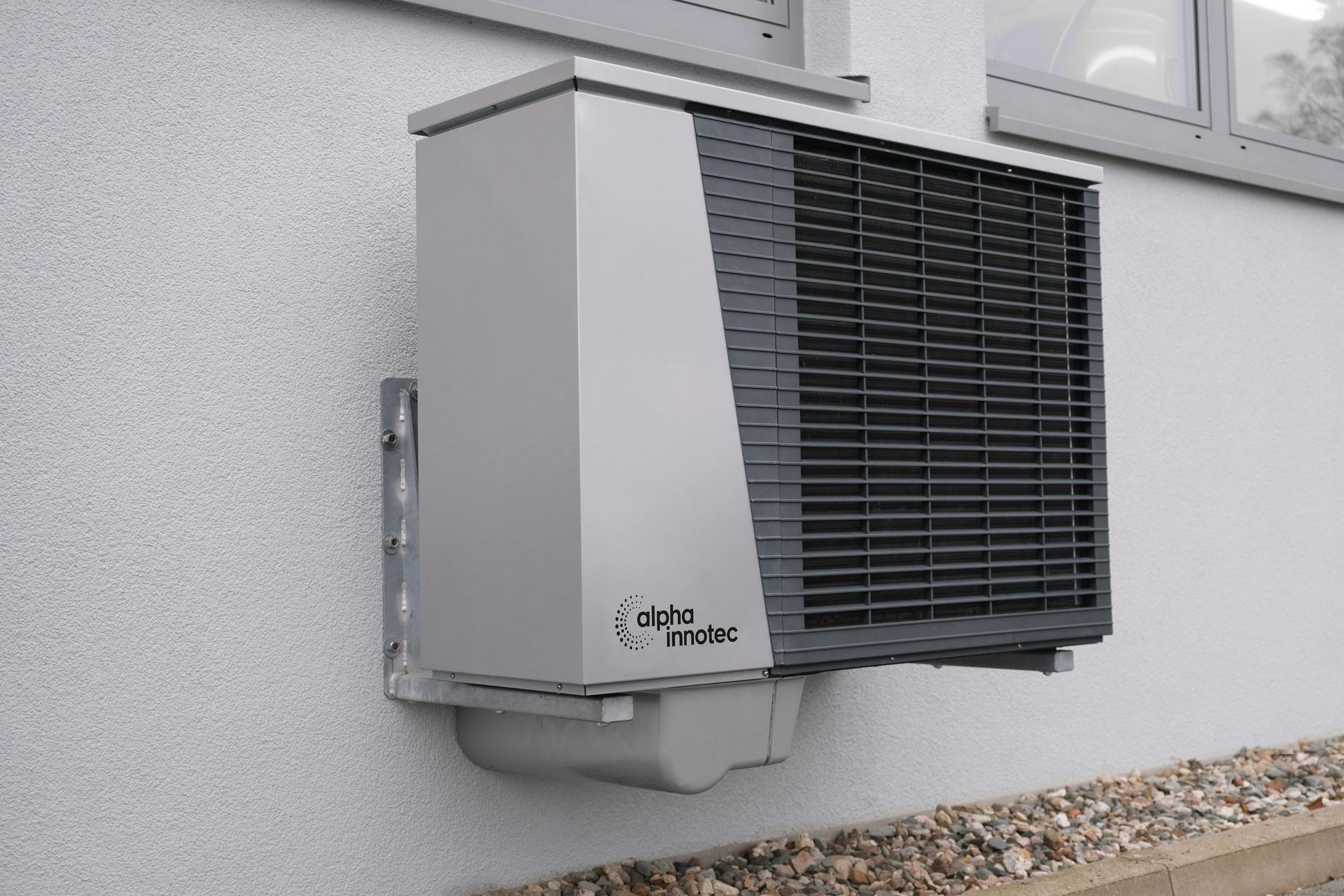
You will see installers position the outdoor unit on a level pad away from snowdrifts and roof drip lines, drill through the exterior wall to route refrigerant lines and electrical cables, mount the indoor air handler on an interior wall or connect the evaporator coil to the furnace plenum, install a drain line for condensate, wire the system to the breaker panel, and configure the thermostat to switch between heating and cooling modes. Heat pumps use a reversing valve to change refrigerant flow direction, and defrost cycles melt frost that builds on the outdoor coil during cold weather.
After installation, you will notice warm air within minutes of switching to heat mode, cooler air in summer without changing equipment, and lower energy bills compared to electric baseboards or propane furnaces. River Valley Heating and Cooling verifies that the reversing valve shifts smoothly, the defrost cycle activates when frost accumulates, and the backup heat strips engage only when outdoor temperatures fall below the heat pump's effective range.
Ducted heat pumps work best in homes with existing ductwork, while ductless mini-splits suit older homes without ducts or additions where extending ductwork is impractical. Variable-speed compressors adjust output to match the heating or cooling load instead of cycling on and off, which improves comfort and efficiency. The service does not include ductwork fabrication for homes without existing ducts, electrical panel upgrades if your current service cannot handle the additional load, or removal of old heating systems such as oil tanks or baseboard heaters.
Common Questions About Heat Pump Systems
Homeowners ask whether heat pumps work in freezing weather, how they compare to furnaces, and what maintenance they require.
How do heat pumps perform in Wenatchee winters?
Modern cold-climate heat pumps deliver full heating capacity down to 5 degrees and continue operating below negative 15 degrees, though efficiency drops as outdoor temperature falls, and backup heat may activate during extreme cold.
What makes heat pumps more efficient than electric baseboards?
Heat pumps move heat from outside air into your home instead of generating heat from electrical resistance, so they deliver two to three times more heat energy per kilowatt-hour consumed.
When does the defrost cycle run?
The system monitors outdoor coil temperature and runs defrost every 30 to 90 minutes when frost builds up, temporarily reversing to cooling mode to melt ice off the coil before switching back to heating.
Why does a heat pump need backup heat?
When outdoor temperatures fall below the unit's effective range or during defrost cycles, electric resistance strips or a furnace provide supplemental heat to maintain indoor temperature.
How often should you service a heat pump?
You should schedule maintenance twice per year, once before cooling season and once before heating season, because the system operates year-round and both the heating and cooling functions need inspection.
River Valley Heating and Cooling installs and services heat pump systems throughout Wenatchee for homeowners replacing old furnaces and air conditioners, as well as new construction projects and home additions. Whether you want to eliminate propane deliveries, lower heating costs, or add cooling to a home that only has a furnace, schedule a consultation to review ducted and ductless heat pump options that fit your home's layout and heating needs.