
Choosing the Right Cooling System for Your Space
Central AC and ductless mini-splits in Wenatchee for homes without existing ductwork or rooms that never reach the set temperature
River Valley Heating and Cooling installs central air conditioning systems and ductless mini-split units for homeowners throughout Wenatchee who need whole-house cooling or targeted comfort in rooms where ducts do not reach. When your upstairs bedrooms stay ten degrees warmer than the main floor or your home was built without ductwork, you face a choice between extending ducts and adding a central system or mounting ductless heads that cool specific zones without tearing into walls. The decision depends on your home's layout, insulation, and whether you want independent temperature control in different rooms.
Central AC installation connects an outdoor condenser to an indoor evaporator coil mounted in the furnace plenum, pushes cooled air through ducts to every register, and uses a single thermostat to control the entire system. Ductless mini-splits pair an outdoor compressor with one or more indoor air handlers mounted high on walls or recessed into ceilings, refrigerant lines run through a three-inch hole in the exterior wall, and each head operates independently with its own remote. Repair work addresses refrigerant leaks, fan motor failures, clogged drain lines, and control board issues that prevent the system from responding to temperature changes. Replacement becomes necessary when compressors fail, refrigerant types are phased out, or the system no longer cools efficiently despite repairs.
If you need cooling in a home without ducts or want to stop fighting uneven temperatures between floors, contact River Valley Heating and Cooling to discuss central AC or ductless options in Wenatchee.
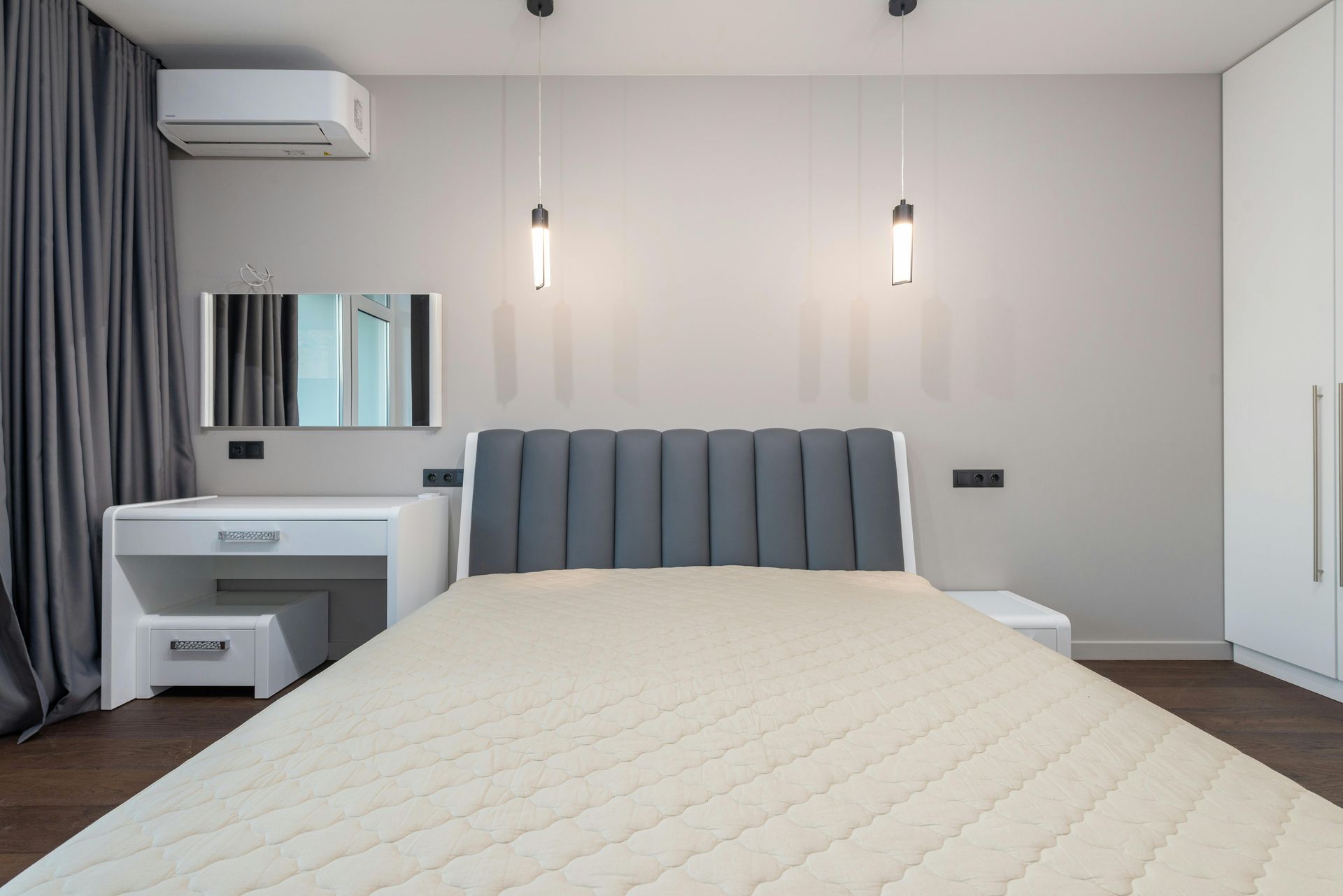
How Each System Operates and What Changes Afterward
You will see installers run copper refrigerant lines from the outdoor unit to each indoor zone, mount air handlers using brackets anchored into wall studs, drill through siding to route refrigerant and condensate lines, pull a vacuum on the lines to remove air and moisture, charge the system with refrigerant according to the manufacturer's weight specification, and test each head or register to confirm airflow and temperature drop. Central systems require balancing dampers in the ductwork to distribute air evenly, while ductless units let you adjust fan speed and direction independently in each room.
After installation, you will notice cooler air within minutes of turning on the system, quieter operation compared to window units, and the ability to close off unused rooms without affecting airflow elsewhere. River Valley Heating and Cooling checks that condensate drains slope correctly, electrical connections meet code, and thermostats or remotes respond accurately before finishing the job.
Ductless systems work well in older Wenatchee homes where adding ductwork would require lowering ceilings or boxing in hallways, while central AC makes sense in new construction or homes with existing ducts that only need the cooling equipment added. Multi-zone ductless setups use one outdoor unit to serve up to five indoor heads, each controlled separately. The service does not include structural modifications to hide refrigerant lines inside walls, ductwork fabrication for homes without existing ducts, or electrical panel upgrades if your current service cannot handle the additional load.
Common Questions About Central and Ductless Cooling
Homeowners ask which system costs less to operate, how long installation takes, and whether ductless units work in freezing weather.
What makes ductless mini-splits more efficient than central AC?
Ductless systems avoid the 20 to 30 percent energy loss that occurs when cooled air travels through ducts in hot attics, and variable-speed compressors adjust output instead of cycling on and off.
How many indoor heads does one outdoor unit support?
Most residential outdoor units handle up to four or five indoor heads, depending on the total BTU capacity and the distance between the outdoor unit and the farthest indoor head.
When does central AC make more sense than ductless?
If your home already has ductwork in good condition and you want uniform temperature control with a single thermostat, central AC costs less to install and avoids wall-mounted units in every room.
Why do refrigerant lines need to be vacuumed before charging?
Moisture or air trapped in the lines mixes with refrigerant and causes corrosion, freeze-ups, or compressor failure, so technicians pull a vacuum to 500 microns before releasing refrigerant into the system.
How does Wenatchee climate affect ductless performance?
Ductless heat pumps provide both heating and cooling, and newer models operate efficiently down to negative temperatures, though extreme cold may require supplemental heat from a furnace or electric baseboards.
River Valley Heating and Cooling handles central AC and ductless mini-split projects throughout Wenatchee, including homes with vaulted ceilings, finished basements, and additions built without connecting to the original HVAC system. If you want to stop running window units or need cooling in a space your current system cannot reach, schedule a consultation to review options that fit your layout and budget.